Water is one of the most important nutrients your body needs to survive. Every cell, tissue, and organ depends on water to function properly. From regulating body temperature to supporting digestion and circulation, staying hydrated plays a major role in maintaining good health.
However, many people wonder: How much water should you drink every day?
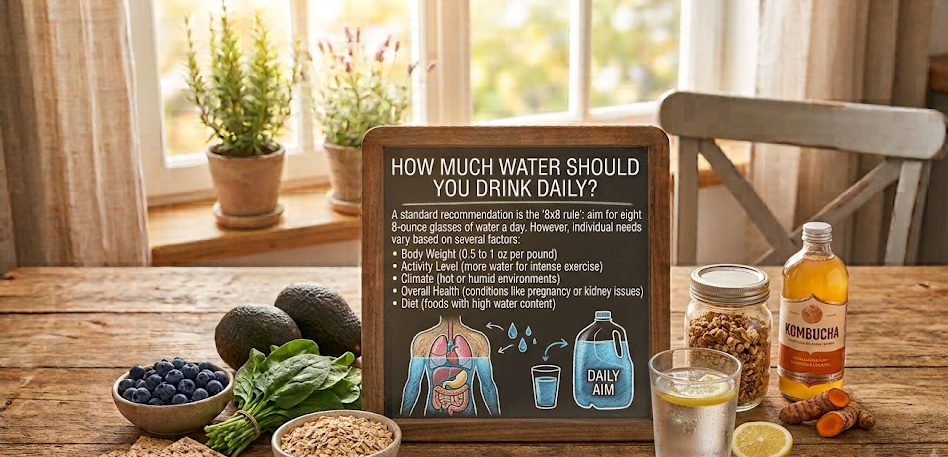
The answer depends on several factors, including your age, body size, activity level, climate, diet, and overall health. While there is no single amount that works for everyone, understanding your body’s hydration needs can help you make better daily choices.
Also : 7 Healthy Breakfast Ideas for a Better Start to Your Day
In this guide, we will explore how much water you need, the benefits of proper hydration, signs of dehydration, and practical tips for drinking enough water every day.
Why Is Water Important for Your Body?
Water makes up a large portion of the human body and is involved in almost every essential process.
Water helps your body:
- Regulate body temperature
- Transport nutrients
- Remove waste products
- Support digestion
- Maintain healthy joints
- Protect organs and tissues
- Support brain function
- Maintain healthy blood circulation
Even mild dehydration can affect energy levels, mood, and physical performance.
How Much Water Should You Drink Daily?
A common recommendation is:
About 8 Glasses of Water Per Day
Many people follow the popular guideline of drinking eight glasses of water daily. While this is a simple reminder, individual needs vary.
General Daily Fluid Recommendations
Many health organizations suggest approximately:
- Men: Around 3.7 liters of total fluids per day
- Women: Around 2.7 liters of total fluids per day
This amount includes water from:
- Drinking water
- Other beverages
- Foods containing water
Your personal needs may be higher or lower depending on your lifestyle.
Factors That Affect Your Water Needs
1. Physical Activity
Exercise increases water loss through sweat.
You may need more water if you:
- Exercise regularly
- Sweat heavily
- Participate in endurance sports
- Work outdoors
Drink water before, during, and after physical activity.
2. Hot Weather
High temperatures increase fluid loss.
You may need additional water during:
- Summer months
- Hot climates
- Outdoor activities
Pay attention to thirst and signs of dehydration.
3. Body Size
Larger individuals generally require more water because their bodies contain more fluid.
A person’s hydration needs are influenced by:
- Body weight
- Muscle mass
- Activity level
4. Diet
Your food choices also affect hydration.
Foods with high water content include:
- Watermelon
- Cucumbers
- Oranges
- Strawberries
- Lettuce
- Soups
People who eat many fruits and vegetables may get more fluids from food.
5. Health Conditions
Certain conditions may increase or change hydration needs.
Examples include:
- Fever
- Vomiting
- Diarrhea
- Kidney problems
- Certain medications
People with medical conditions should follow personalized advice from healthcare professionals.
Benefits of Drinking Enough Water
1. Supports Physical Performance
Even mild dehydration can reduce exercise performance.
Proper hydration helps:
- Maintain energy
- Support muscle function
- Regulate body temperature
- Improve endurance
Drinking enough water is especially important during workouts.
2. Improves Brain Function
The brain depends on proper hydration to work effectively.
Dehydration may contribute to:
- Difficulty concentrating
- Reduced alertness
- Mood changes
- Mental fatigue
Staying hydrated supports better focus throughout the day.
3. Supports Healthy Digestion
Water plays an important role in digestion.
It helps:
- Break down food
- Move waste through the digestive system
- Prevent constipation
Adequate fiber intake combined with enough water supports healthy bowel movements.
4. Helps Maintain Healthy Skin
Proper hydration supports overall skin health.
Water helps:
- Maintain skin moisture
- Support normal circulation
- Deliver nutrients to skin cells
However, skin health also depends on nutrition, sleep, and skincare habits.
5. Supports Weight Management
Drinking water may support healthy weight management.
Benefits include:
- Helping you feel full
- Replacing high-calorie beverages
- Supporting metabolism
Choosing water instead of sugary drinks can reduce unnecessary calorie intake.
6. Supports Kidney Function
The kidneys use water to remove waste products from the body.
Adequate hydration helps support normal kidney function and urine production.
7. Helps Regulate Body Temperature
Water helps your body cool itself through sweating.
This is especially important during:
- Exercise
- Hot weather
- Physical work
Signs You May Not Be Drinking Enough Water
Your body provides signals when it needs more fluids.
Common signs of dehydration include:
- Thirst
- Dark yellow urine
- Dry mouth
- Fatigue
- Headache
- Dizziness
- Reduced concentration
- Constipation
Severe dehydration can be dangerous and requires medical attention.
How to Know If You Are Properly Hydrated
One simple indicator is urine color.
Generally:
Light Yellow
Usually indicates good hydration.
Dark Yellow
May indicate you need more fluids.
Clear Urine
May mean you are drinking more water than necessary.
Remember that certain foods, supplements, and medications can affect urine color.
Best Times to Drink Water
After Waking Up
Drinking water in the morning helps replace fluids lost during sleep
Before Meals
Water before meals may support digestion and help control appetite.
Before Exercise
Hydrating before physical activity supports performance.
During Exercise
Drink regularly, especially during longer or intense workouts.
Before Bed
A small amount of water may be helpful, but avoid drinking excessive amounts right before sleeping to prevent nighttime bathroom trips.
Healthy Ways to Drink More Water
Many people struggle to drink enough water. These simple strategies can help:
Carry a Water Bottle
Having water available makes it easier to drink regularly.
Add Natural Flavor
If plain water feels boring, try adding:
- Lemon
- Mint
- Cucumber
- Berries
Create Reminders
Set reminders on your phone or use hydration apps.
Drink Water With Meals
Make water your default beverage during breakfast, lunch, and dinner.
Eat More Water-Rich Foods
Include:
- Fruits
- Vegetables
- Soups
- Smoothies
Healthy Drinks Besides Water
Water is the best choice, but other healthy options include:
- Herbal tea
- Green tea
- Unsweetened coffee
- Sparkling water
- Infused water
Limit drinks high in:
- Added sugar
- Artificial sweeteners
- Excess calories
Drinks That Can Cause Dehydration Problems
Some beverages should be consumed in moderation.
Sugary Drinks
Examples:
- Soda
- Sweetened juices
- Energy drinks
These add unnecessary sugar and calories.
Excess Alcohol
Alcohol can increase fluid loss and contribute to dehydration.
Drink responsibly and balance alcohol intake with water consumption.
Hydration Tips During Exercise
For active individuals:
Before exercise:
- Drink water before starting activity.
During exercise:
- Take regular small sips.
After exercise:
- Replace fluids lost through sweat.
For long workouts or heavy sweating, electrolytes may also be important.
Frequently Asked Questions
Is drinking 8 glasses of water a day necessary?
Eight glasses is a simple guideline, but individual needs vary. Some people need more or less depending on activity, climate, diet, and health.
Can you drink too much water?
Yes. Drinking excessive amounts of water in a short period can be harmful. It is best to drink according to your body’s needs.
Does coffee count toward daily water intake?
Yes, beverages like coffee contribute to total fluid intake. However, water remains the best choice for regular hydration.
Can drinking water help with weight loss?
Water can support weight management by replacing sugary drinks and helping you feel full, but it should be combined with healthy eating and regular activity.
What is the best drink for hydration?
Plain water is generally the best choice for everyday hydration.
Final Thoughts
Water is essential for nearly every function in your body. While there is no universal amount that everyone must drink, staying aware of your body’s hydration needs and drinking regularly throughout the day can support better health.
The best approach is simple: drink when you are thirsty, increase intake during exercise or hot weather, and choose water as your main beverage. Combined with a balanced diet, regular movement, and healthy lifestyle habits, proper hydration helps your body perform at its best.
Tinggalkan Balasan