Vitamin D is an essential nutrient that helps your body absorb calcium, maintain strong bones, support muscle function, and keep your immune system working properly. Despite its importance, vitamin D deficiency is one of the most common nutritional deficiencies worldwide.
Because the symptoms often develop gradually, many people may not realize they have low vitamin D levels until the deficiency becomes more severe.
In this article, we’ll explore the common signs of vitamin D deficiency, what causes it, who is most at risk, and how you can maintain healthy vitamin D levels.
What Is Vitamin D?
Vitamin D is a fat-soluble vitamin that your body produces when your skin is exposed to sunlight. It can also be obtained from certain foods and dietary supplements.
Vitamin D plays several important roles, including:
- Supporting calcium absorption
- Maintaining healthy bones and teeth
- Strengthening muscles
- Supporting immune function
- Helping regulate inflammation
- Contributing to normal nerve function
Without enough vitamin D, your body cannot efficiently absorb calcium, increasing the risk of bone problems.
Read also : Best Morning Habits for Better Health
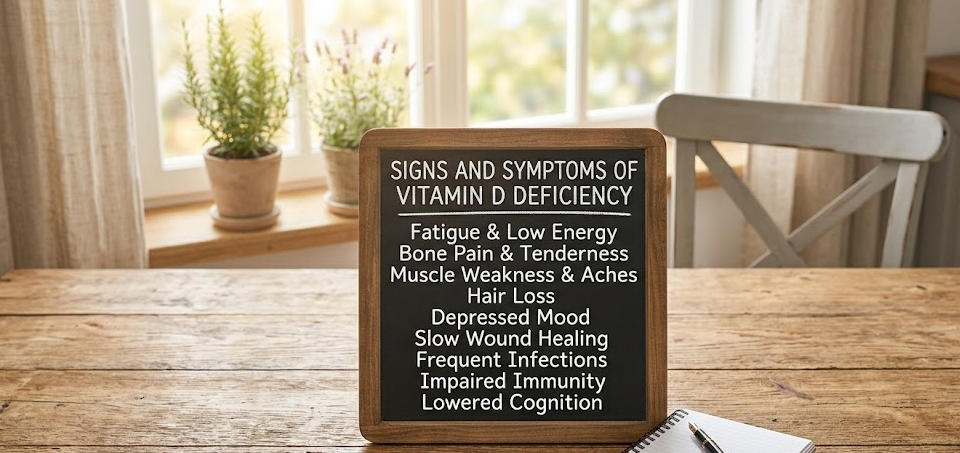
Common Signs and Symptoms of Vitamin D Deficiency
Not everyone experiences symptoms, especially in the early stages. However, as deficiency becomes more significant, several signs may appear.
1. Frequent Illness or Infections
Vitamin D plays an important role in supporting the immune system.
People with low vitamin D levels may experience:
- Frequent colds
- Recurrent respiratory infections
- Longer recovery times after illness
A healthy immune system depends on many factors, including balanced nutrition and adequate vitamin D.
2. Constant Fatigue
Feeling tired all the time may have many causes, including poor sleep, stress, or nutritional deficiencies.
Low vitamin D has been associated with:
- Low energy
- Daytime sleepiness
- Difficulty concentrating
- Reduced physical performance
Persistent fatigue should always be discussed with a healthcare professional.
3. Bone Pain
Vitamin D helps your body absorb calcium, which is essential for healthy bones.
Deficiency may lead to:
- Bone discomfort
- Tenderness
- General aches
- Increased risk of fractures
Adults with prolonged vitamin D deficiency may develop weakened bones over time.
4. Muscle Weakness
Healthy muscles require adequate vitamin D for proper function.
Symptoms may include:
- Difficulty climbing stairs
- Weak grip strength
- Trouble standing from a seated position
- Muscle fatigue after mild activity
Older adults may be particularly affected.
5. Back Pain
Some people with vitamin D deficiency report chronic lower back pain.
Although back pain has many possible causes, maintaining adequate vitamin D supports bone and muscle health.
6. Slow Wound Healing
Vitamin D contributes to normal immune function and tissue repair.
Slow healing after:
- Surgery
- Minor injuries
- Cuts
- Skin wounds
may sometimes be associated with inadequate vitamin D levels.
7. Hair Loss
Hair loss can result from genetics, hormonal changes, stress, or nutritional deficiencies.
Some studies suggest that low vitamin D may play a role in certain types of hair loss, although more research is needed.
8. Mood Changes
Research has found an association between low vitamin D levels and mood disorders in some individuals.
Possible symptoms include:
- Low mood
- Reduced motivation
- Irritability
- Feeling emotionally drained
Vitamin D is only one factor among many that influence mental health.
9. Frequent Bone Fractures
Vitamin D deficiency can weaken bones over time.
This may increase the likelihood of:
- Stress fractures
- Falls
- Osteoporosis
- Bone injuries
Maintaining healthy vitamin D levels supports lifelong bone strength.
10. Muscle Cramps
Although muscle cramps can have many causes, inadequate vitamin D may contribute to:
- Muscle twitching
- Leg cramps
- General muscle discomfort
A balanced diet and proper hydration also play important roles in muscle health.
What Causes Vitamin D Deficiency?
Several factors can contribute to low vitamin D levels.
Limited Sun Exposure
People who spend most of their time indoors may not produce enough vitamin D naturally.
Darker Skin
Higher levels of melanin reduce the skin’s ability to produce vitamin D from sunlight.
Aging
As people get older, the skin becomes less efficient at producing vitamin D.
Poor Diet
Very few foods naturally contain vitamin D.
Without fortified foods or supplements, dietary intake may be insufficient.
Medical Conditions
Certain digestive disorders can reduce vitamin D absorption, including:
- Crohn’s disease
- Celiac disease
- Chronic liver disease
- Kidney disease
Who Is at Higher Risk?
Some groups are more likely to develop vitamin D deficiency.
These include:
- Older adults
- People with limited sun exposure
- Individuals with darker skin
- People who wear covering clothing outdoors
- Individuals with obesity
- Breastfed infants without supplementation
- People with digestive disorders
Foods Rich in Vitamin D
Although sunlight is the primary source, several foods also contain vitamin D.
| Food | Vitamin D Source |
|---|---|
| Salmon | Excellent |
| Sardines | Excellent |
| Mackerel | Excellent |
| Egg yolks | Moderate |
| Fortified milk | Good |
| Fortified cereal | Good |
| Tuna | Good |
| Mushrooms exposed to UV light | Moderate |
Including these foods regularly may help support healthy vitamin D intake.
How to Maintain Healthy Vitamin D Levels
Get Safe Sun Exposure
Many people can produce vitamin D through regular sunlight exposure.
Depending on skin type, location, and season, spending around 10 to 30 minutes outdoors several times per week may help maintain healthy levels. Avoid excessive sun exposure and protect your skin as appropriate.
Eat a Balanced Diet
Choose foods naturally rich in vitamin D or foods fortified with vitamin D.
Pair vitamin D-rich foods with healthy fats to improve absorption.
Stay Physically Active
Regular exercise supports bone strength, muscle function, and overall health.
Weight-bearing activities such as walking or strength training are especially beneficial.
Consider Supplements
Some people may require vitamin D supplements, especially if they have limited sun exposure or certain medical conditions.
Always consult a healthcare professional before starting supplements, as excessive vitamin D intake can be harmful.
When Should You See a Doctor?
You should speak with a healthcare provider if you experience:
- Persistent fatigue
- Ongoing bone pain
- Muscle weakness
- Frequent fractures
- Recurrent infections
A simple blood test can determine whether your vitamin D levels are within the recommended range.
Frequently Asked Questions
What is the most common symptom of vitamin D deficiency?
Many people experience fatigue, muscle weakness, or bone pain, although some individuals have no noticeable symptoms.
Can vitamin D deficiency be prevented?
Yes. Safe sun exposure, a balanced diet, and supplements when recommended by a healthcare professional can help maintain healthy vitamin D levels.
Can you get enough vitamin D from food alone?
It can be challenging because relatively few foods naturally contain significant amounts of vitamin D. Many people rely on a combination of sunlight, diet, and, when appropriate, supplements.
Final Thoughts
Vitamin D is essential for maintaining healthy bones, muscles, and immune function. Because deficiency often develops gradually, recognizing early signs such as fatigue, muscle weakness, bone pain, or frequent infections is important.
Maintaining healthy vitamin D levels through safe sun exposure, a nutritious diet, regular physical activity, and medical guidance when needed can help support overall health and well-being. If you suspect you may have a vitamin D deficiency, consult a qualified healthcare professional for proper evaluation and personalized advice.
Tinggalkan Balasan