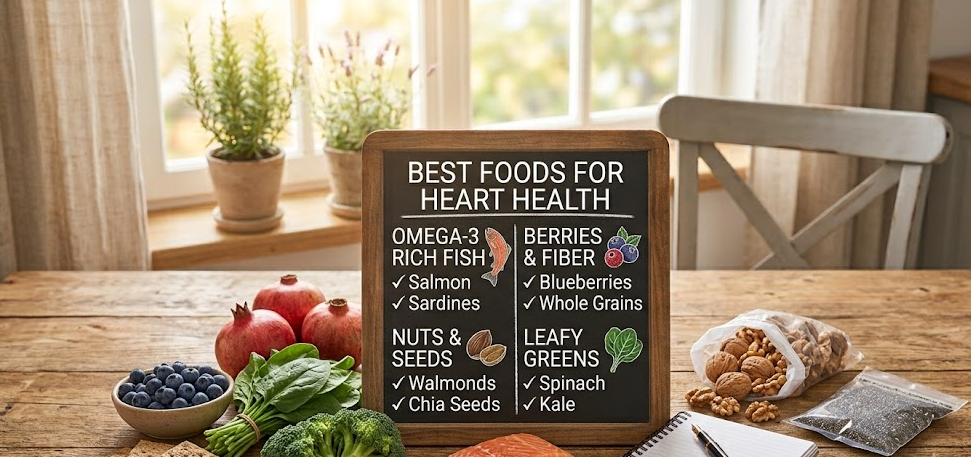
Heart disease remains one of the leading causes of death worldwide, but many risk factors can be improved through healthy lifestyle choices. One of the most effective ways to support your heart is by eating a balanced diet filled with nutrient-rich foods.
The foods you choose every day can influence your cholesterol levels, blood pressure, blood sugar, body weight, and inflammation—all of which play important roles in cardiovascular health.
Also : Diabetes Diet: What to Eat and Avoid
This guide explores some of the best foods for heart health and explains how they can help keep your heart strong for years to come.
Why Diet Matters for Heart Health
Your heart works continuously to pump blood throughout your body. To perform efficiently, it depends on proper nutrition.
A heart-healthy diet may help:
- Lower LDL (“bad”) cholesterol
- Increase HDL (“good”) cholesterol
- Reduce blood pressure
- Decrease inflammation
- Improve blood circulation
- Maintain a healthy weight
- Lower the risk of heart attack and stroke
Healthy eating is not about strict diets—it’s about making better choices consistently.
1. Fatty Fish
Fatty fish are among the best sources of omega-3 fatty acids, which support cardiovascular health by reducing inflammation and promoting healthy blood vessels.
Excellent choices include:
- Salmon
- Sardines
- Mackerel
- Tuna
- Trout
Benefits
- Supports healthy cholesterol levels
- Helps reduce inflammation
- May lower triglycerides
- Promotes healthy blood circulation
Aim to eat fatty fish at least two times each week.
2. Oats
Oats contain a type of soluble fiber called beta-glucan.
This fiber helps reduce LDL cholesterol by binding cholesterol in the digestive system before it enters the bloodstream.
Benefits
- Helps lower cholesterol
- Supports healthy digestion
- Keeps you feeling full
- Helps regulate blood sugar
A bowl of oatmeal makes an excellent heart-healthy breakfast.
3. Leafy Green Vegetables
Dark leafy greens provide vitamins, minerals, fiber, and antioxidants that help protect your cardiovascular system.
Healthy choices include:
- Spinach
- Kale
- Swiss chard
- Collard greens
- Arugula
These vegetables are also naturally rich in dietary nitrates, which help support healthy blood vessel function.
4. Berries
Blueberries, strawberries, raspberries, and blackberries are packed with antioxidants known as anthocyanins.
These compounds help protect blood vessels from oxidative stress.
Benefits
- Supports healthy circulation
- Rich in vitamin C
- High in fiber
- Naturally low in calories
Fresh or frozen berries are both nutritious options.
5. Avocados
Avocados are rich in monounsaturated fats, which are considered heart-healthy fats.
They also provide:
- Potassium
- Fiber
- Vitamin E
- Folate
Adding avocado to salads or sandwiches is an easy way to improve the nutritional quality of meals.
6. Nuts
Nuts provide healthy fats, plant protein, and important minerals.
Some of the best options include:
- Almonds
- Walnuts
- Pistachios
- Pecans
Benefits
- May reduce LDL cholesterol
- Rich in omega-3 fats (especially walnuts)
- Supports healthy blood vessels
- Helps with appetite control
Choose unsalted varieties whenever possible.
7. Olive Oil
Extra virgin olive oil is a key component of the Mediterranean diet.
It contains healthy monounsaturated fats and powerful antioxidants.
Benefits
- Supports healthy cholesterol levels
- Helps reduce inflammation
- Protects blood vessels
Use olive oil instead of butter when preparing meals.
8. Beans and Lentils
Legumes are excellent sources of:
- Plant protein
- Fiber
- Potassium
- Magnesium
Examples include:
- Kidney beans
- Black beans
- Chickpeas
- Lentils
Replacing some meat meals with legumes may support heart health.
9. Whole Grains
Whole grains provide more nutrients and fiber than refined grains.
Healthy options include:
- Brown rice
- Quinoa
- Whole wheat bread
- Barley
- Whole grain pasta
Fiber helps maintain healthy cholesterol levels and supports digestive health.
10. Fruits
Many fruits contain antioxidants, fiber, and vitamins that support cardiovascular health.
Excellent choices include:
- Apples
- Oranges
- Pears
- Grapes
- Kiwi
- Pomegranates
Eating a variety of colorful fruits ensures a wide range of beneficial nutrients.
11. Tomatoes
Tomatoes are rich in lycopene, an antioxidant linked to heart health.
Cooking tomatoes may increase the availability of lycopene.
Healthy ways to enjoy tomatoes include:
- Salads
- Soups
- Pasta sauces
- Homemade salsa
12. Garlic
Garlic has long been used in traditional diets for its potential cardiovascular benefits.
Some research suggests garlic may help support healthy blood pressure and cholesterol levels.
Fresh garlic provides the greatest concentration of beneficial compounds.
13. Dark Chocolate
Dark chocolate with a high cocoa content contains flavonoids, natural compounds that support healthy blood vessels.
Choose chocolate with at least 70% cocoa and enjoy it in moderation due to its calorie content.
14. Green Tea
Green tea contains antioxidants known as catechins.
Regular consumption may support:
- Healthy cholesterol
- Blood vessel function
- Overall cardiovascular health
Replace sugary beverages with unsweetened green tea when possible.
Foods to Limit
Some foods may increase the risk of heart disease when consumed frequently.
Limit:
- Processed meats
- Deep-fried foods
- Sugary drinks
- Excess sweets
- White bread
- Highly processed snacks
- Foods high in sodium
- Trans fats
Choosing minimally processed foods is generally a healthier option.
Heart-Healthy Eating Tips
Simple daily habits can make a difference.
Eat More Fiber
Fiber supports healthy cholesterol levels and digestion.
Aim for at least 25–30 grams per day.
Choose Healthy Fats
Replace saturated fats with healthier sources such as:
- Olive oil
- Avocados
- Nuts
- Seeds
Reduce Salt
Excess sodium may contribute to high blood pressure.
Flavor foods with:
- Garlic
- Herbs
- Lemon juice
- Pepper
- Spices
instead of relying on salt.
Stay Hydrated
Water supports circulation and overall body function.
Choose water over sugary drinks whenever possible.
Control Portion Sizes
Eating balanced portions can help maintain a healthy weight and reduce strain on the heart.
Sample Heart-Healthy Meal Plan
Breakfast
- Oatmeal with blueberries
- Almonds
- Green tea
Morning Snack
- Apple
- Walnuts
Lunch
- Grilled salmon
- Brown rice
- Steamed broccoli
- Mixed salad
Afternoon Snack
- Greek yogurt
- Fresh berries
Dinner
- Grilled chicken breast
- Roasted vegetables
- Quinoa
Evening Snack
- Small serving of dark chocolate
- Herbal tea
Lifestyle Habits That Support Heart Health
Nutrition works best alongside healthy lifestyle choices.
Exercise Regularly
Aim for at least 150 minutes of moderate physical activity each week.
Walking, swimming, cycling, and strength training all benefit heart health.
Don’t Smoke
Smoking damages blood vessels and significantly increases the risk of heart disease.
Quitting smoking provides immediate and long-term health benefits.
Get Enough Sleep
Adults should aim for 7–9 hours of quality sleep each night.
Poor sleep may negatively affect blood pressure and heart health.
Manage Stress
Long-term stress can affect blood pressure and overall cardiovascular health.
Healthy stress-management strategies include:
- Meditation
- Yoga
- Walking
- Deep breathing
- Spending time with family and friends
Frequently Asked Questions
What is the healthiest food for your heart?
There is no single “best” food. A variety of fruits, vegetables, whole grains, legumes, nuts, healthy fats, and fatty fish together create a heart-healthy eating pattern.
Are eggs bad for heart health?
For most healthy adults, eggs can be part of a balanced diet. Individual dietary needs vary, especially for people with certain medical conditions.
Is coffee good or bad for the heart?
Moderate coffee consumption is generally considered acceptable for many adults, but responses to caffeine vary. If you have heart disease or high blood pressure, discuss your intake with your healthcare provider.
Final Thoughts
Protecting your heart begins with everyday food choices. A diet rich in vegetables, fruits, whole grains, legumes, healthy fats, nuts, and fatty fish provides the nutrients your cardiovascular system needs to function well. At the same time, limiting highly processed foods, excess sodium, added sugars, and unhealthy fats can help reduce the risk of heart disease.
Healthy eating is most effective when combined with regular exercise, adequate sleep, stress management, and routine medical check-ups. Rather than focusing on perfection, aim for consistent, sustainable habits that support long-term heart health.
Tinggalkan Balasan